Talks & discussions

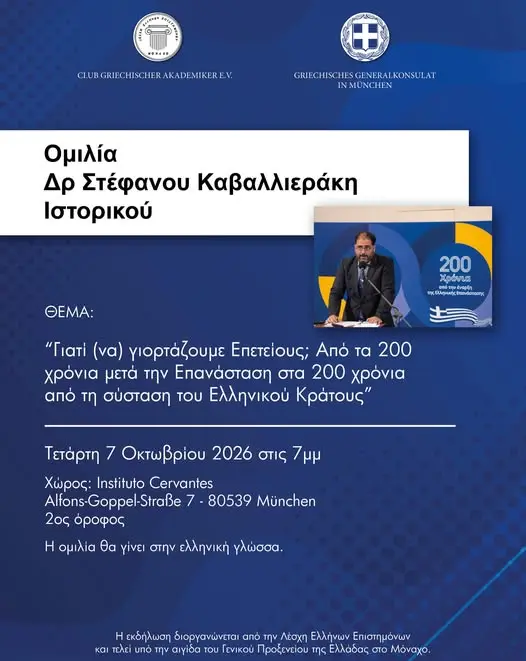
Instituto Cervantes, Munich

Why do we celebrate Anniversaries? From 200 years after the Revolution to 200 years since the establishment of the Greek State

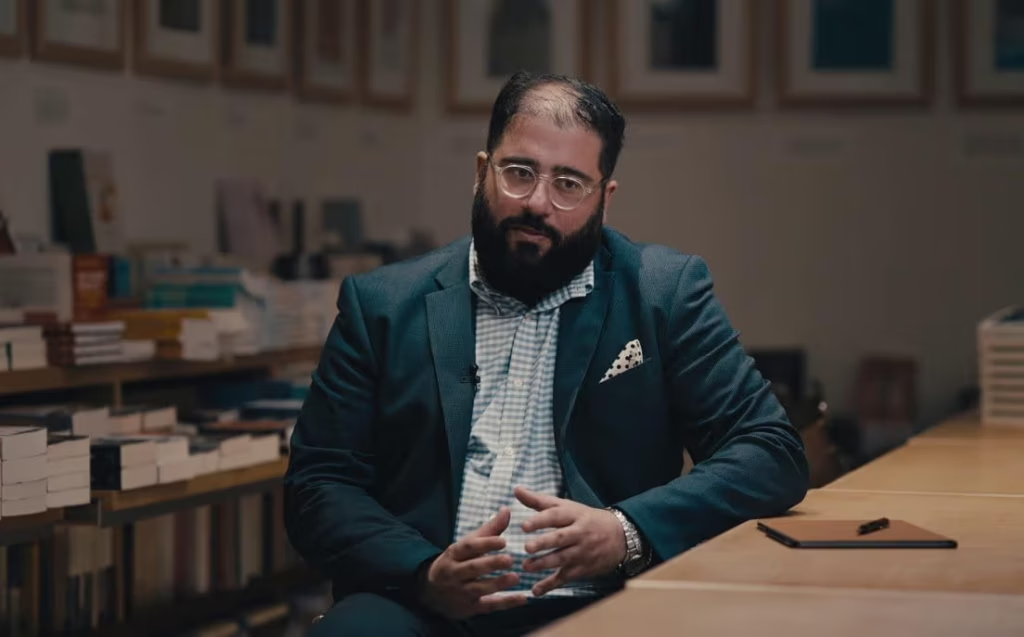
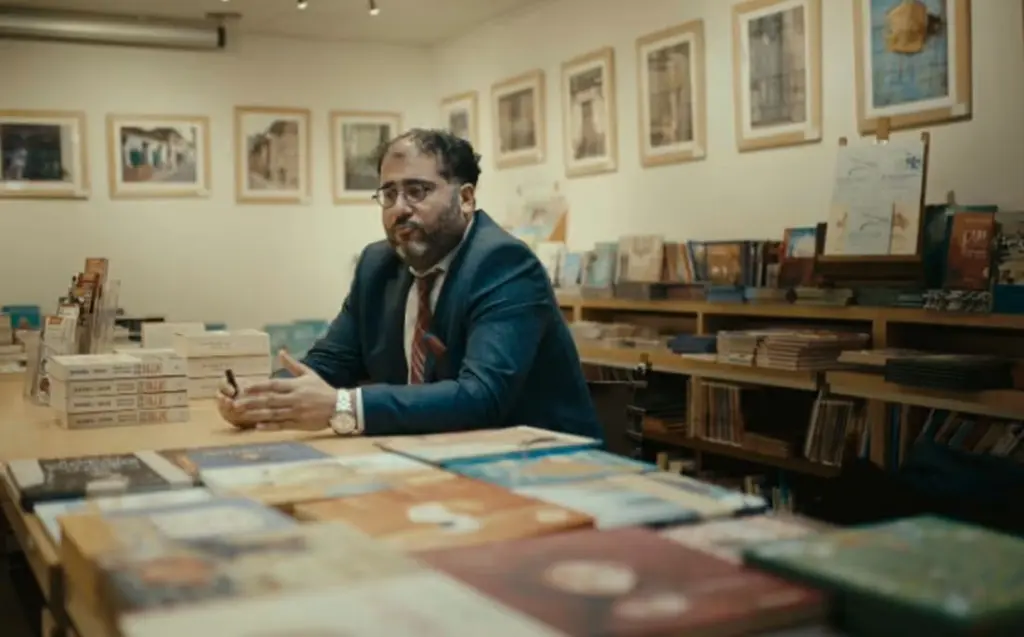
The speaker will be Dr. Stefanos Kavallierakis, Historian, who is a graduate of the Faculty of Philosophy of the University of Athens and completed his postgraduate studies and doctoral thesis in the field of Mediterranean and Oriental Studies at the University of Strasbourg. He regularly writes articles on history topics—with an emphasis on the Greek Revolution of 1821 and modern Greek history—and has served as a project manager within the framework of European funding instruments.

Η εκδήλωση διοργανώνεται από τη Λέσχη Ελλήνων Επιστημόνων και τελεί υπό την αιγίδα του Γενικού Προξενείου της Ελλάδας στο Μόναχο.
Patras, Polyedro bookstore, Book presentation

“The Heretic and the Erotic”: two books by Yannis Papatheodorou

An event – discussion about two books by the author and university professor Yannis Papatheodorou, will take place at the “Polyedro” Bookstore, at 147 Kanakari Street in Patras on Wednesday, December 3, 2025, at 8.00 pm.

Pyrgos, Conference, via video conference

1821: The birth of the Greek nation-state

Three distinguished scientific speakers analyzed both the great revolutionary event itself that shook Europe 202 years ago, as well as the great question that lingers to this day about the Revolution of 1821!

Athens, Hellenic American Union, with Konstantina Botsiou and Efi Gazi, Coordination

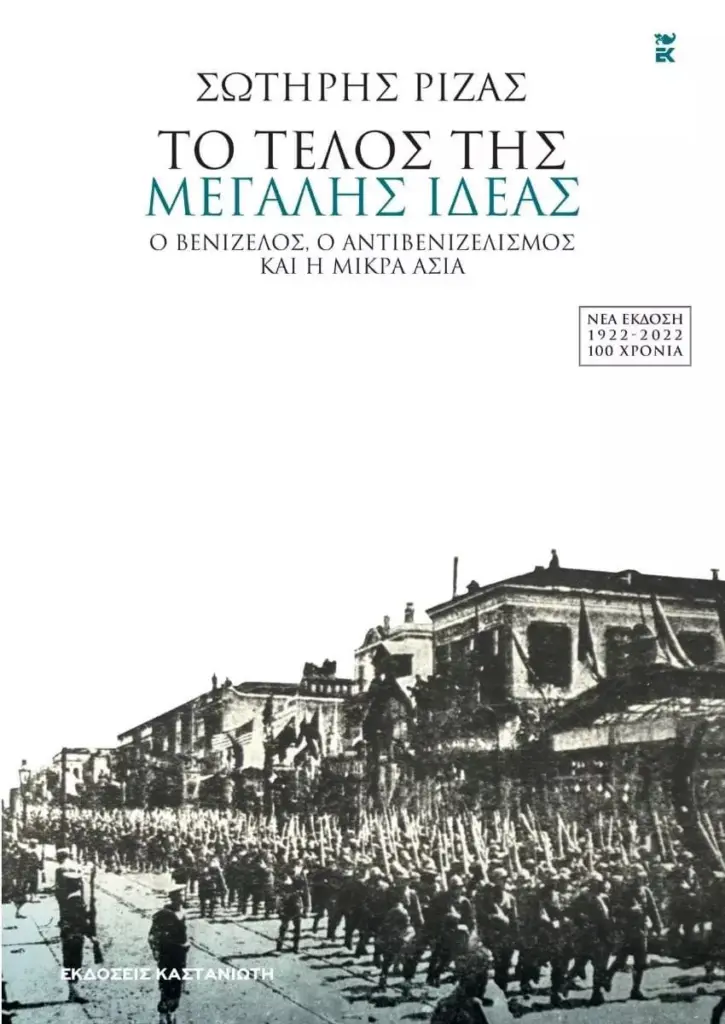
The End of the Great Idea, by Sotiris Rizas

The Hellenic American Union and Kastaniotis Publications present the book by Sotiris Rizas, “The End of the Great Idea (Venizelos, Anti-Venizelism and Asia Minor)”.

As the back cover of the book states: “Its purpose is to examine the formation of Greek policy towards Asia Minor from 1914, when the issue arose due to the persecution of the Greek element by the neo-Turkish regime, to the military defeat of 1922 and the eradication of Hellenism after its centuries-long presence on the coasts of Ionia. The most appropriate perspective for examining Greek policy is to examine it in the light of the National Division, the schism that emerged as a consequence of World War I. Asia Minor was one of the key elements of the dispute over the advisability of Greece’s participation in that war, and it was on this issue that a fundamental difference in approaches emerged between Venizelos and anti-Venizelosism.

As part of the event, the author discusses with academics Efi Gazi and Konstantina Botsiou.

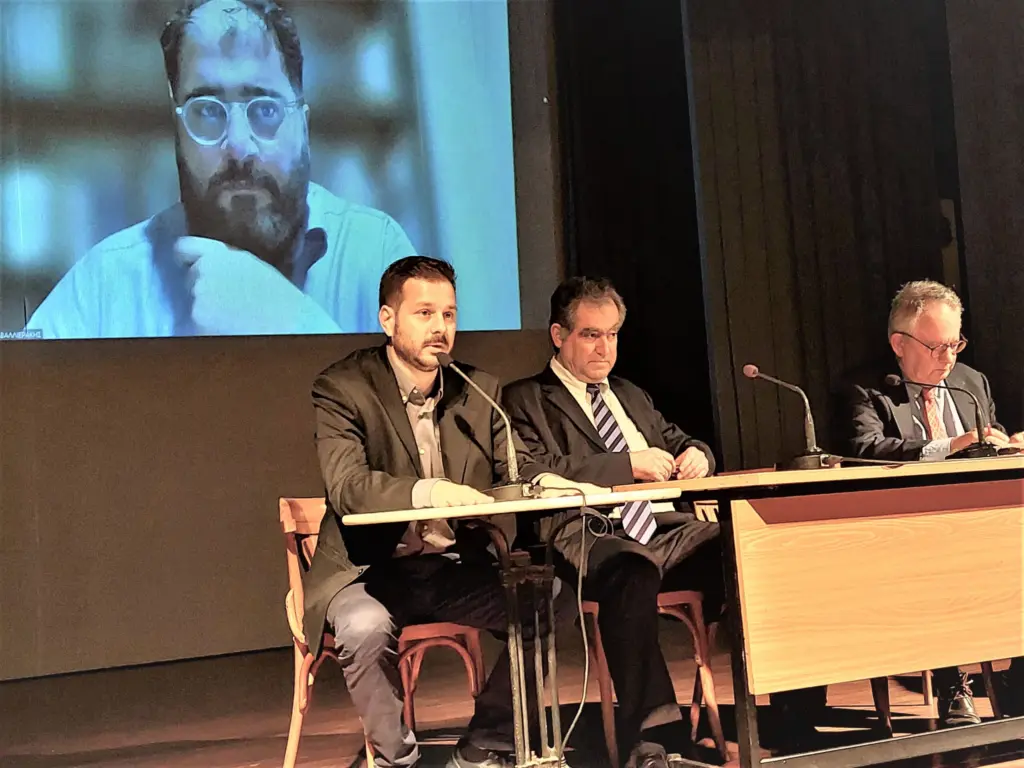
The discussion is moderated by historian Stefanos Kavallierakis.

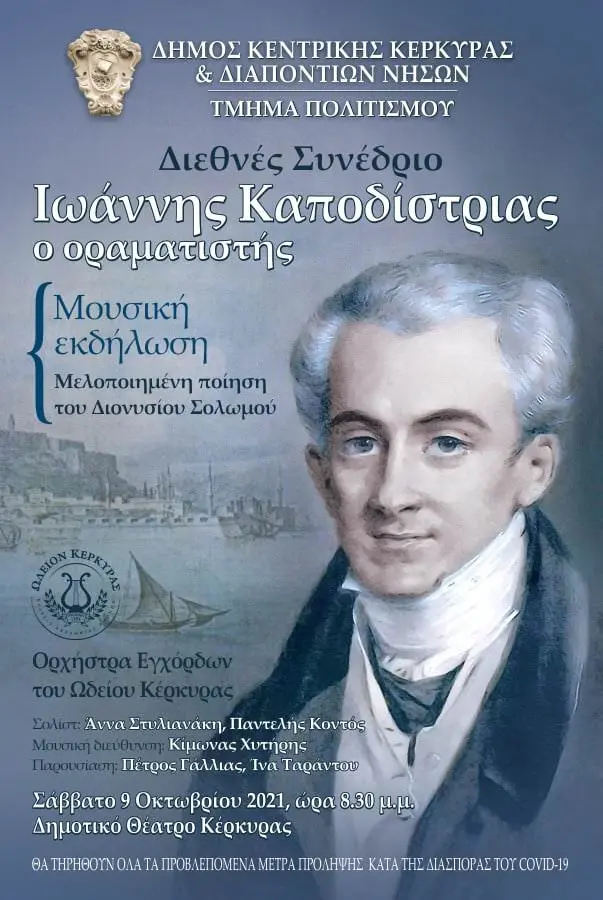
Corfu, International conference "Ioannis Kapodistrias, the visionary"

Kapodistrias and European Radicalism. From the Elementary Education Society to the Society of Friends

A journey through Europe after the end of the Napoleonic Wars and until the declaration of the Greek Revolution and the course of Kapodistrias within the world of European radicalism as it developed alongside that of the Empires. His influences but also his contribution to the formation of this world that would play its role in the Greek Revolution of 1821.

Athens, Zappeion Megaron, Region of Thessaly

Thessaly, the workshop of the Enlightenment

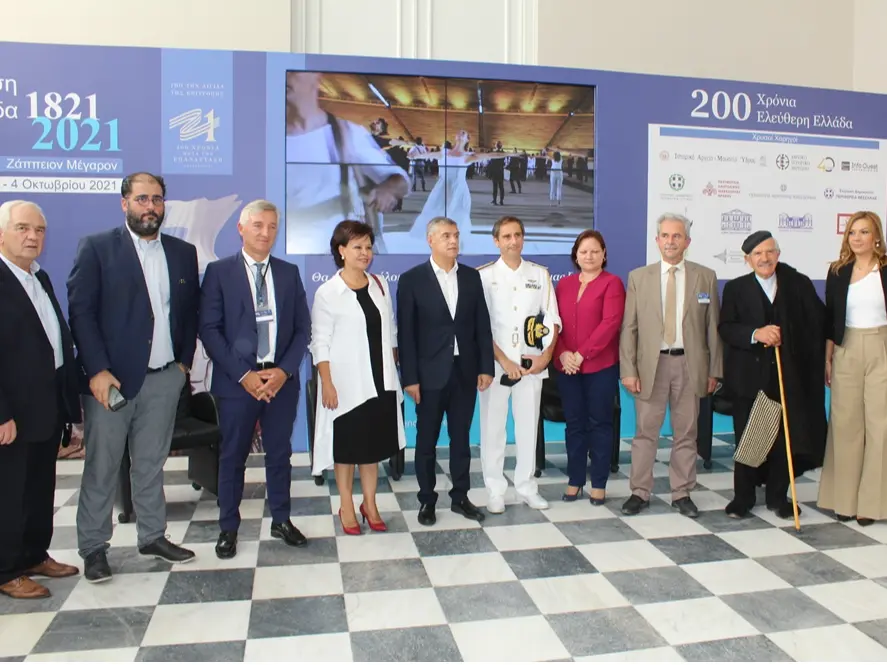
Athens, Zappeion Megaron, Region of Thessaly

Stefanos Kavallierakis, Historian, Dr. of Mediterranean and Oriental Studies at the University of Strasbourg, stated in his speech: “Thessaly was the ideological laboratory of modern Hellenism: Rigas, Koumas, Konstantas-Filippidis, are just some of the names who ideologically prepared the Greek revolution, conceived and completed the idea of ​​a national vision of emancipation and freedom. Thessaly kept the educational spark alive, created the great tradition of the Teachers of the Nation and, together with its advanced bourgeoisie and Hierarchs inside and outside Greece, formed the ferment that led to the Revolution of 1821.”

Hellenism on the eve of the Revolution

Hellenic Foundation for Culture, “Stations on the Path to 1821”, online

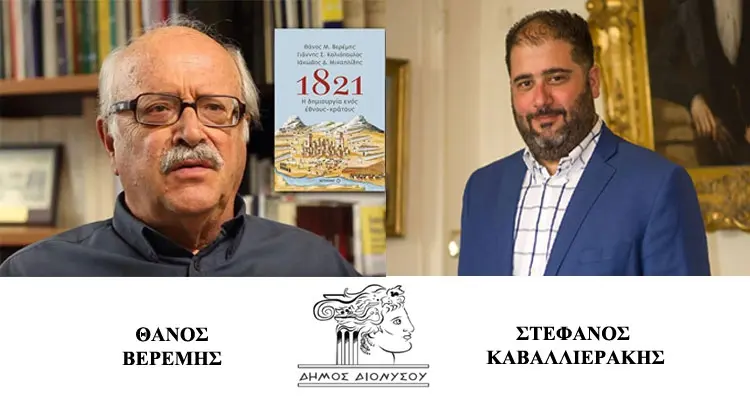
Municipality of Dionysos, with Thanos Veremis, online

A nation on the move, the path to the Greek Revolution

Thanos Veremis and Stefanos Kavallierakis talk about the Revolution of 1821 on the YouTube Channel of the Municipality of Dionysos, on Thursday 15/4 at 7:30 p.m.

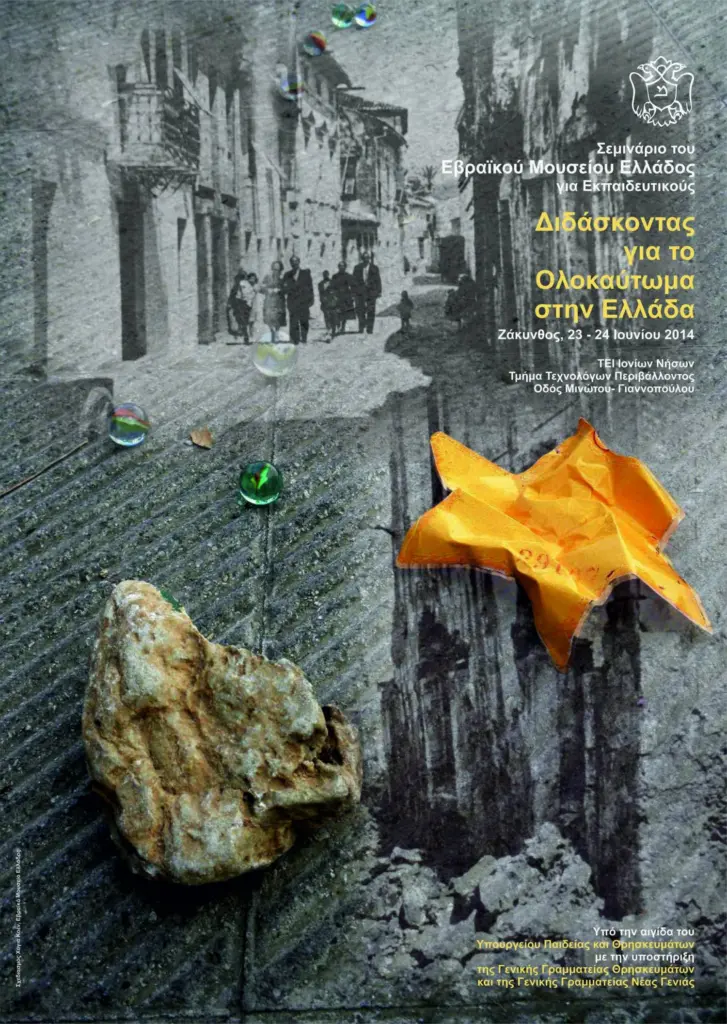
Zakynthos, Jewish Museum of Greece, seminar for teachers

The educational policy of the Greek state and Greek Jews in the 19th century

The Jewish Museum of Greece has already organized and implemented eleven seminars for primary and secondary school teachers and professors, as well as museum educators, on the topic of “Teaching about the Holocaust in Greece”, eight of which were held in Athens (2004, 2006, 2007, 2009 and 2010, 2011, 2013 and 2014) and one was organized in Thessaloniki (2005). In November and December 2012, two seminars were held in Ioannina and Volos respectively, specializing in the local history of the Holocaust. The seminars were attended by a large number of educators from Attica and the region, as well as representatives of ministries, organizations and institutions, while their work was deemed particularly constructive and successful.

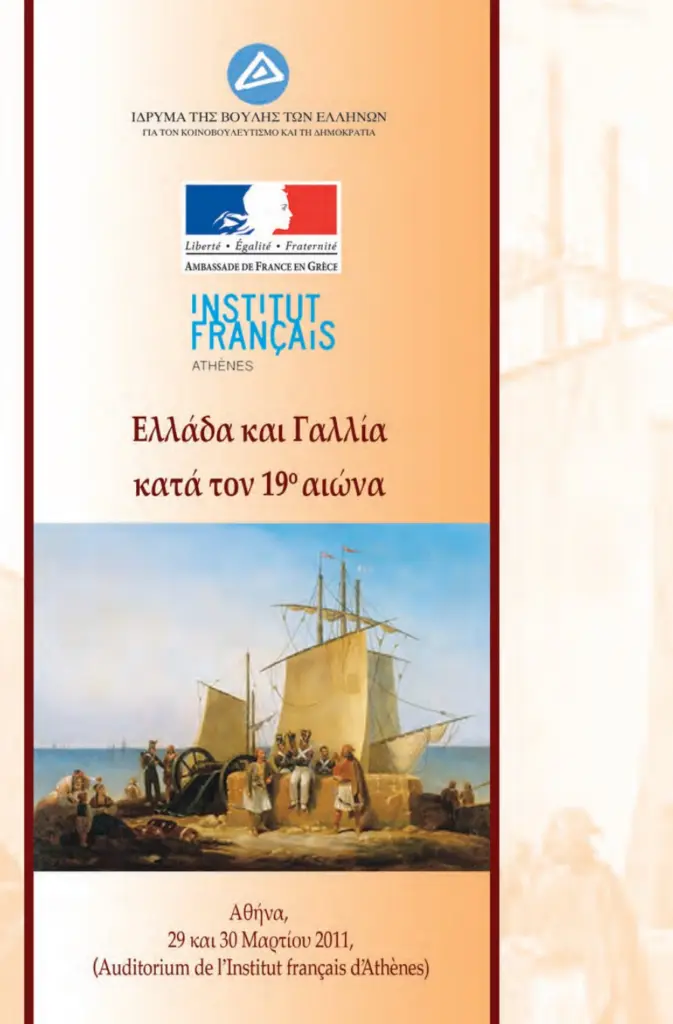
Athens, at the Auditorium of the French Institute, "Greece and France in the 19th century".

French Catholic Schools in the Second Half of the 19th Century

The Hellenic Parliament Foundation for Parliamentarism and Democracy and the Embassy of France in Greece are organizing a symposium on the theme “Greece and France in the 19th Century” on March 29 and 30, 2011, at the Auditorium of the French Institute of Athens, at 31 Sina Street.

Radio & podcasts

Kathimerini, K Politics

Who fought the Axis and who sided with it in the Balkans?

Why does Greece celebrate its entry into World War II and not its liberation? And what was happening in neighboring countries when the Greeks resisted the Italian invasion?

Starting from the anniversary of October 28, Vasiliki Siouti and historian Stefanos Kavallierakis examine in K Politics the different paths of the Balkan countries during the war years: the choices of the governments, the stance of the societies and the strong resistance movements in Greece and Yugoslavia.

The discussion also sheds light on the actions of the Ustaše and the Jasenovac extermination camp, as well as the formation of the Handschar division of the Waffen-SS in Bosnia. An episode about resistance, subjugation and persecution in the Balkans and about the past that still affects the memory and relationships of their peoples.

Newshub, Analysis

Messolonghi, the sacrifice that became a milestone for the Greek Revolution!

Μια από τις σημαντικότερες επιμέρους επετείους των κορυφαίων στιγμών της Ελληνικής Επανάστασης του 1821, 200 χρόνια από την Έξοδο του Μεσολογγίου, μια στιγμή κορύφωσης ενός μεγάλου δράματος που έμελλε να συγκινήσει βαθιά όχι μόνο την τέχνη, αλλά και ολόκληρη την Ευρώπη!

Newshub, Analysis

Invisible armies: guerrilla warfare and its suppression from antiquity to the present day

Guerrilla warfare, or otherwise unorthodox, asymmetric or hybrid warfare, has been essentially the most direct and influential form of armed conflict since the dawn of human history. War history, largely forgotten in recent decades by the most established and dominant historical methodologies and narratives, is making a dynamic comeback and claiming a vital space for the understanding of contemporary international politics. A monumental book that uniquely illuminates the history of guerrilla warfare is “Invisible Armies” by the important historian and political intellectual Max Boot.

Newshub, Analysis

After a century of wars, Israel built its security zone!

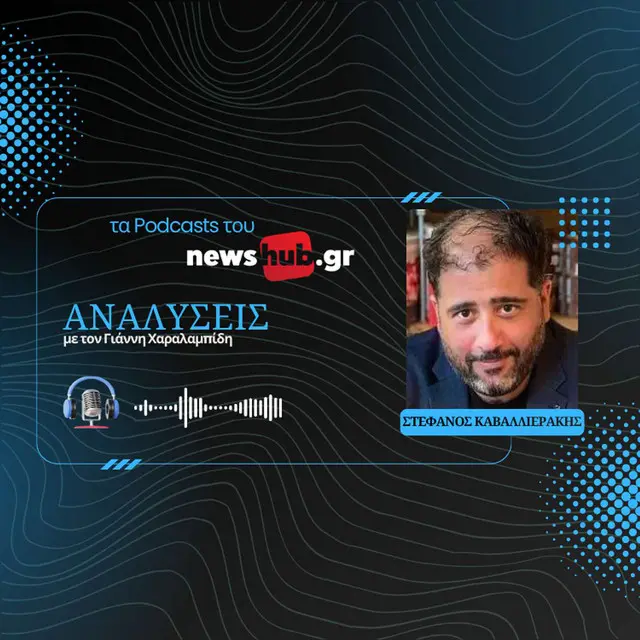
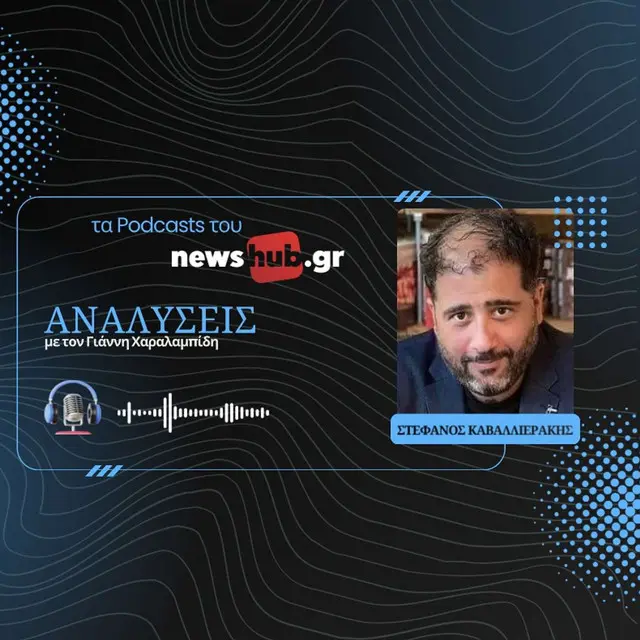
Stefanos Kavallierakis, historian, PhD in modern history at the University of Strasbourg, professor at the National School of Public Administration, spoke on Newshub’s “Analyses” with Yannis Charalambidis about the history of the Middle East issue from World War I to the start of the war in Gaza.

Radio Me, Analysis

The roots, evolution and influence of Roman Catholics in Greece

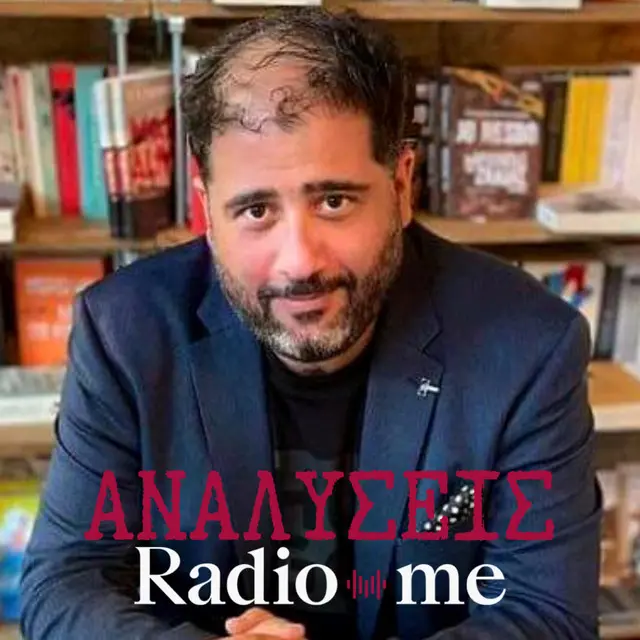
Stefanos Kavallierakis, Dr. of modern history at the University of Strasbourg, teaching at the National School of Public Administration, spoke on Radio Me’s “Analyses” with Yiannis Charalambidis about the Roman Catholic communities in Greece, their historical course, but especially the conditions for the development and fruitfulness of education within the framework of Catholic and Protestant schools in the 19th and 20th centuries.

Radio Me, Analysis

Woodhouse gives us a psychograph of the Resistance

Stefanos Kavallierakis (historian, PhD, University of Strasbourg, professor at the ECHR) spoke on Radio Me’s “Analyses” with Yannis Charalambidis about Christopher Woodhouse, his involvement in the Greece of the Occupation and the Resistance, and in general, the relationship between himself and the generation of “hikers-saboteurs” with modern Greece.

Radio Me, Analysis

We must always distinguish between Seferis and Seferiadis

Ο Στέφανος Καβαλλιεράκης (ιστορικός, Δρ Παν/μίου Στρασβούργου, καθηγητής ΕΣΔΔΑ) μίλησε στις ΑΝΑΛΥΣΕΙΣ του Radio Me με τον Γιάννη Χαραλαμπίδη για τις ιστορικές, ιδεολογικές και βιογραφικές πτυχές του μεγάλου νομπελίστα ποιητή Γιώργου Σεφέρη.

Radio Me, Analysis

Greekness is an invention of the ’30s generation

Historian Stefanos Kavallierakis (PhD in modern history from the University of Strasbourg, professor at the National Academy of Sciences, writer and translator) spoke on Radio Me’s ANALYSES with Yiannis Charalambidis about the historical development of Russian influence in Greece, the effects of ecclesiastical sects on politics, as well as the emergence and fluctuation of the ideas of Romiosyni.

Radio Me, Analysis

The Jesuits lived many exciting lives within one

Historian Stefanos Kavallierakis (PhD in modern history from the University of Strasbourg, professor at the National Academy of Sciences, writer and translator) spoke on Radio Me’s ANALYSES with Yannis Charalambidis about the fascinating history of the Catholic order of the Jesuits, which marked almost three centuries of world history.

Radio Me, Analysis

Stefanos Kavallierakis on Eleftherios Venizelos

Stefanos Kavallierakis (Historian, Dr. University of Strasbourg, author) discussed with Yannis Charalambides the personality and political career of Eleftherios Venizelos, a central political figure in Greece in the first half of the 20th century. Its formation and influences on the political scene of Crete, its entry into Greek politics, its legendary course from the Balkan Wars to the Asia Minor Campaign, its connection with bourgeois modernization and the Great Idea, its harsh view of the internal Schism, its later governance that remains half-enlightened.

Radio Me, Analysis

Stefanos Kavallierakis on the valuation of 1821

Historian and author Dr. Stefanos Kavallierakis discussed in ANALYSES with Yannis Charalambidis the way we as a country approached the bicentennial anniversary of 1821, how well or poorly this historical milestone of Modern Hellenism was illuminated, the editorial production and the dialogue between historians on the perceptions surrounding the Greek Revolution.

pod.gr, with Stavros Theodorakis, Episode 16

200 years of Greece – 40 years of Europe

Stefanos Kavallierakis argues that 1821 is a social and ideological melting pot that, in its own unique way, converses with all the contemporary social movements of its time, with the Enlightenment, commercial and economic mobility. Stavros Theodorakis, at the 16th stop on the path to Europe, “travels” to May 1978, where Karamanlis is awarded the Charlemagne Prize in recognition of his efforts to unify Europe (and ensure a better future for its people).

TV & video

Doryforos Europe, En Demo Munich

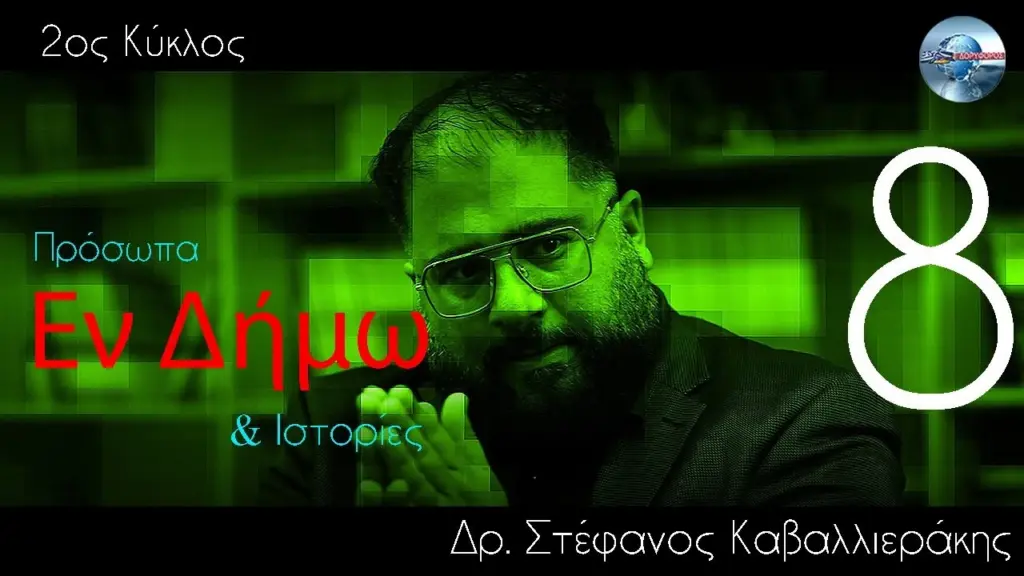
“En Demo” Munich – Episode 8: With historian Dr. Stefanos Kavallierakis

In the 8th episode of the show “In Munich”, we have the pleasure of hosting historian Dr. Stefanos Kavallierakis, on the occasion of the speech he gave in Munich on October 7, 2026.

The event was organized by the Club of Greek Scientists, under the auspices of the Consulate General of Greece in Munich.

We warmly thank the management of the 5th Primary School of Munich for their hospitality and the provision of the spaces for the filming.

ΕΡΤnews

The Exodus of Messolonghi and the formation of the Greek state

On the occasion of the 200th anniversary of the Exodus of Messolonghi, historian and writer Stefanos Kavallierakis spoke to ERTnews about the path of Hellenism towards national consciousness, the endurance of the Revolution of 1821 and the establishment of the Greek state.

ERT, Syndesis

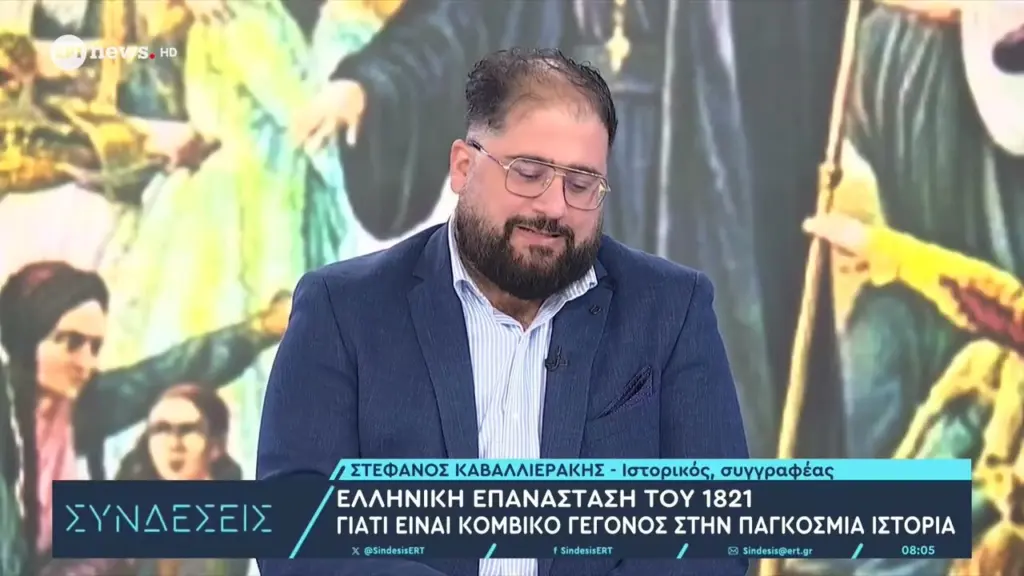
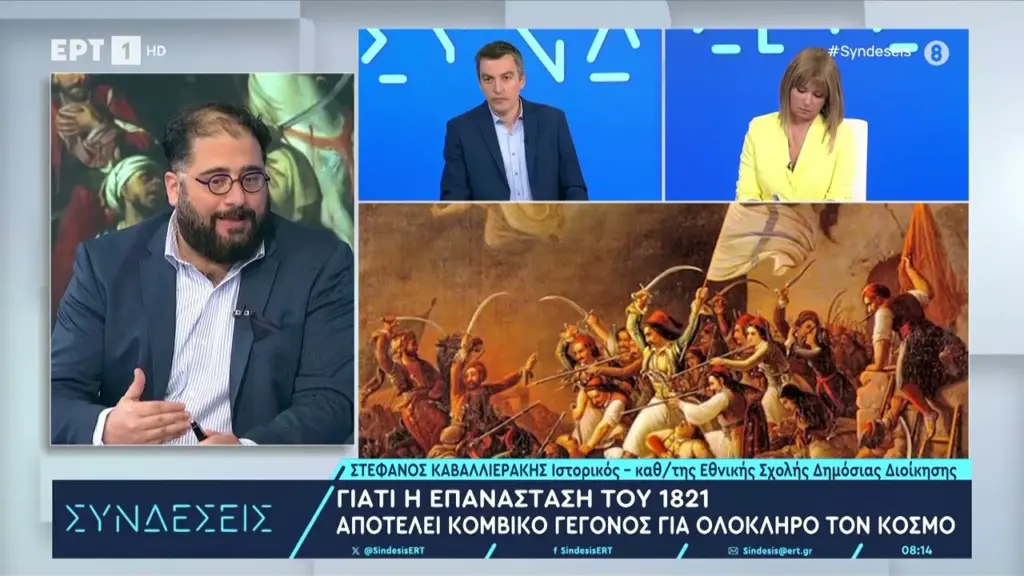
Main events of the Revolution of 1821

What are the central events of the Revolution of 1821? Why is the Revolution of 1821 a pivotal point for the entire world? Historian Stefanos Kavallierakis analyzes in “Connections”

ERT, Syndesis

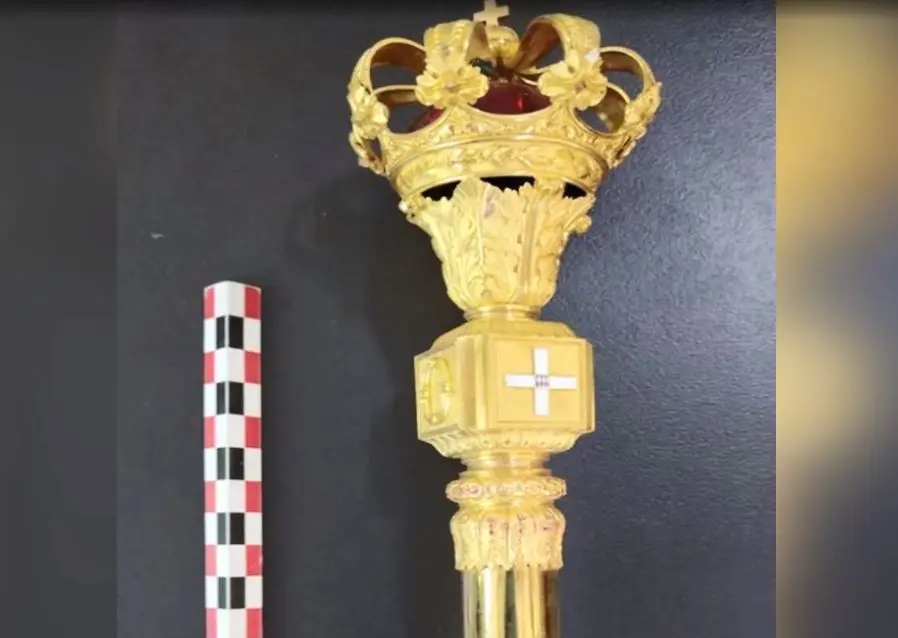
The royal emblems of Otto

Stefanos Kavallierakis, historian and professor at the School of Public Administration, spoke to ERT about the important discovery of Otto’s royal emblems in Tatoi, revealing that the historical interest is that they were made especially for Otto at the behest of his father, Louis.

ERT, Syndesis

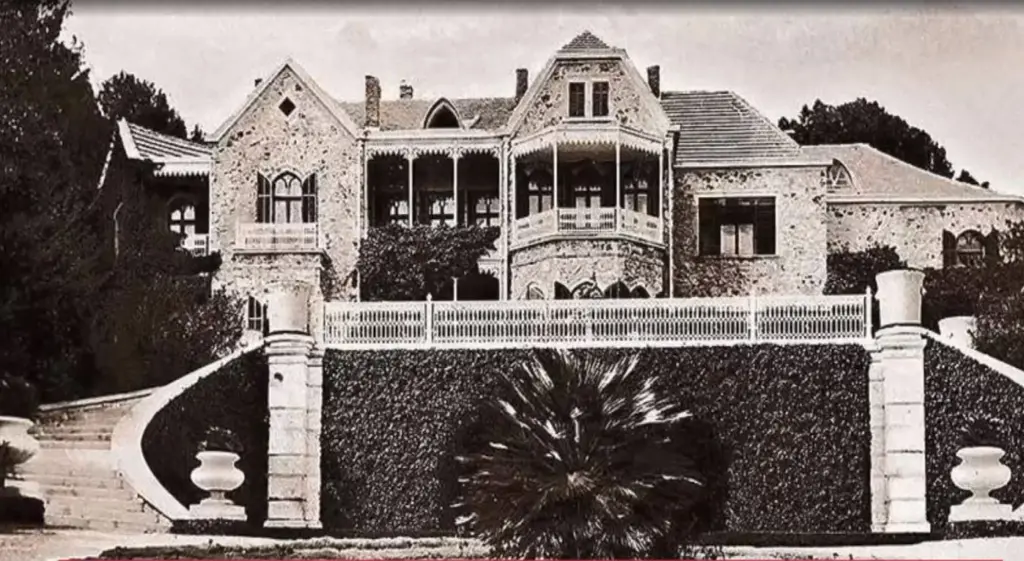
The history of Tatoi

Stefanos Kavallierakis, director of the Museum of the Cities of Athens, spoke on ERT and the show “Connections” about how Tatoi got its name, as well as about other unknown stories behind the former royal estates located at the foot of Mount Parnitha.

ANT1

Good morning Greece

History Professor at the National School of Public Administration, Stefanos Kavallierakis, on Kalimera Greece.

COSMOTE TV, episodes 3 and 4

Little Big Stories: Treaty of Lausanne

What was the historical context and circumstances that led to the signing of the Treaty of Lausanne? What did it define and what is its significance for Greek-Turkish relations to this day? Eight historians, scholars and academics answer.

ERT, Syndesis

100 years since the Asia Minor Catastrophe

One hundred years have passed since the Asia Minor Catastrophe, and Stefanos Kavallierakis, director of the Museum of the City of Athens, spoke about this sad anniversary that marked modern Greek history on ERT and the show “Connections”.

COSMOTE TV, episode 4

Little Big Stories: Asia Minor Catastrophe

What did we gain, what did we lose, and what should we not forget from the Asia Minor Catastrophe of 1922? One hundred years later, academics and directors of research institutions comment on the defining historical event.

ERT2, Documentary Series

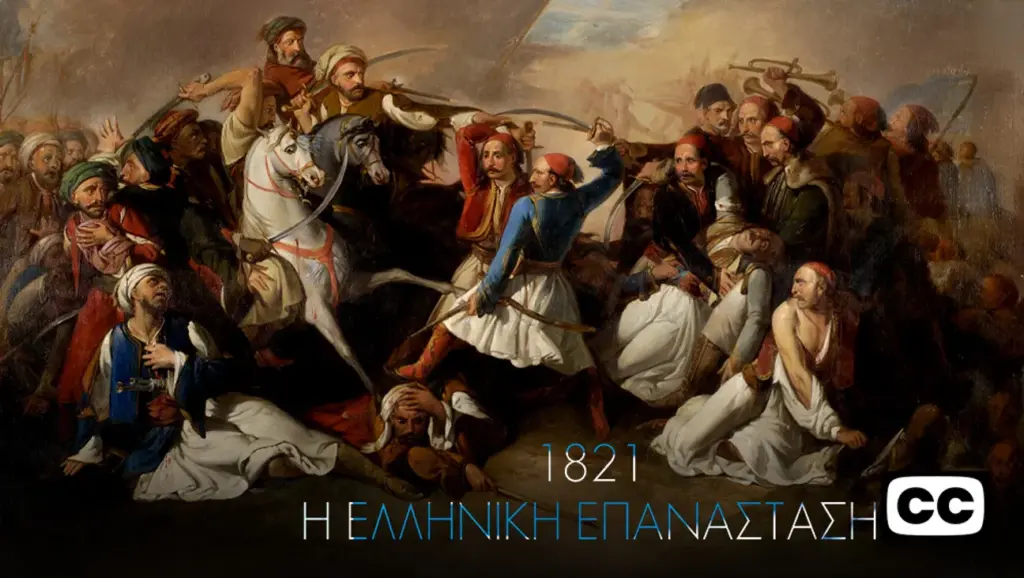
1821, The Greek Revolution

The new documentary series, consisting of thirteen episodes, briefly and clearly describes the exciting period of the Revolutionary Struggle, providing the opportunity for a more general reflection on the course of the Greek state that emerged from the Revolution to the present day.

SKAI, Documentary series for the 200th anniversary of the Greek Revolution

About Freedom

SKAI is commemorating the 200th anniversary of the Greek Revolution with a series of documentaries, dedicated to the greatest event in our modern history. The premiere of the series is on Thursday, March 25 at 9:00 PM, the National Day, and the first season will be completed in five episodes.

COSMOTE TV, episode 31

Little Big Stories

What stories shaped the collective consciousness of Greeks? People of intellect and the arts single out moments and personalities that – in their opinion – changed the course of the Greek nation.